
Introduction
Rajasthan’s architectural heritage is admired worldwide, but the state’s climate challenges—scorching summers, water scarcity, and rapid urbanization—demand a new approach.
Sustainable architecture is emerging as the solution, blending traditional wisdom with modern innovation to create eco‑friendly, resilient spaces.
Why Sustainable Architecture Matters
Climate Adaptation: Thick walls, shaded courtyards, and natural ventilation reduce reliance on air conditioning.
Water Conservation: Rainwater harvesting and greywater recycling are vital in Rajasthan’s arid regions.
Energy Efficiency: Solar panels and passive cooling lower electricity costs.
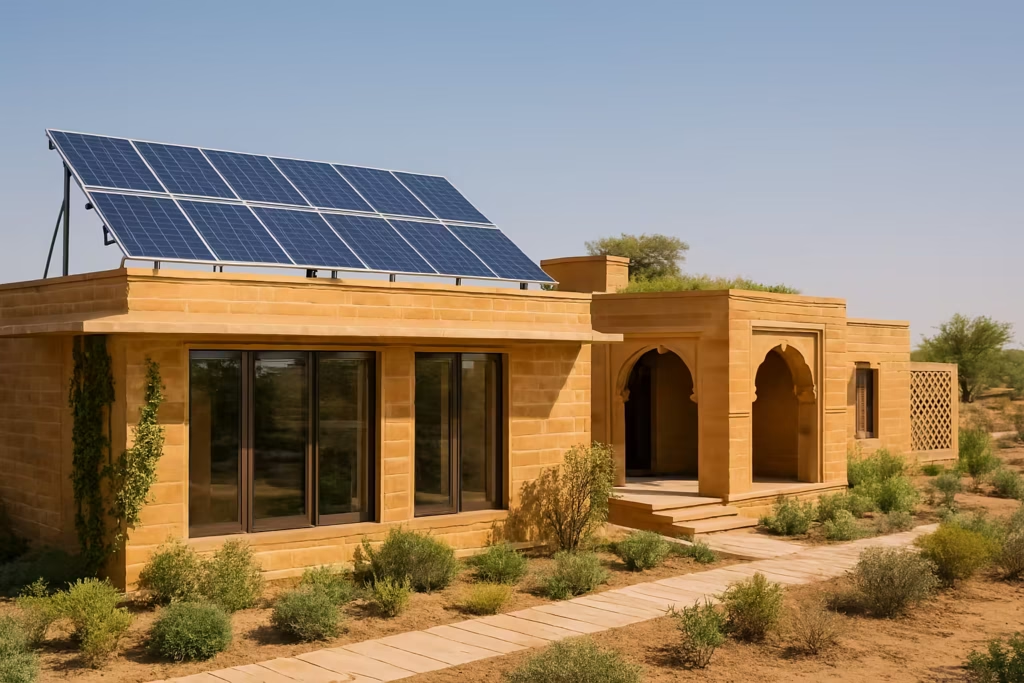
Cultural Harmony: Designs integrate jharokhas, jaalis, and courtyards—traditional elements that naturally promote shade and airflow.
Key Features of Sustainable Architecture
Local Materials – Sandstone, clay, and lime reduce transport costs and blend with Rajasthan’s landscape.
Passive Cooling – Wind towers, verandas, and green roofs regulate indoor temperatures.
Renewable Energy – Solar rooftops and biogas systems make buildings self‑sufficient.
Smart Orientation – Positioning structures to maximize natural light while minimizing heat gain.
Benefits for Homeowners & Businesses
Lower utility bills through reduced energy use.
Healthier living spaces with natural light and ventilation.
Higher property value with eco‑friendly certifications.
Contribution to Rajasthan’s sustainable development goals.
Conclusion
At Sarvottam Architect, we believe sustainable architecture is not just about building structures—it’s about building a better future. By combining Rajasthan’s traditional craftsmanship with modern technology, we can create homes and offices that are environmentally responsible, culturally rooted, and economically viable.
👉 Ready to design your sustainable dream project? Contact us today to explore eco‑friendly solutions tailored for Rajasthan.